There are tech events. And then there are the ones that redefine the rules.
Google I/O, taking place on May 19–20, is one of them. With only days to go, its impact is already being felt across the digital industry.
If your business depends on being found online, what gets announced at this event will directly influence how customers discover, interact with, and choose your brand.
Why? Because this year’s focus is clear: artificial intelligence — and more specifically, AI that acts on behalf of users.
What Is Google I/O and Why It Matters
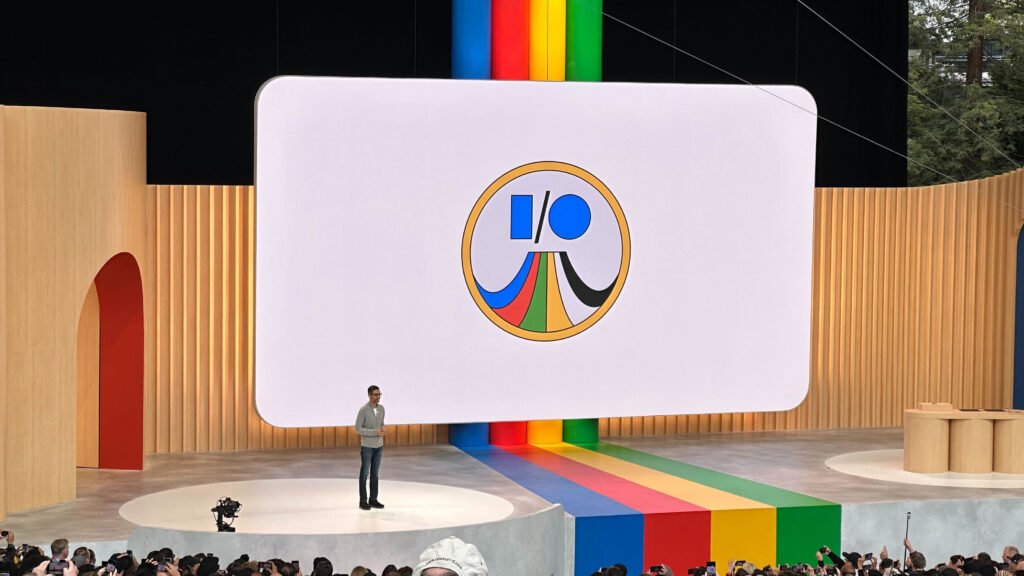
Google I/O is the annual conference where Google showcases its next major technological bets: Android updates, new capabilities in Google Gemini, developer tools, hardware, and—most importantly—the future of Google Search.
This is not just an event for developers. Every announcement made at Google I/O ends up shaping how millions of people use the internet—and therefore how digital businesses generate or lose traffic.
In 2025, Google introduced AI Mode in Search, Veo 3, and Gemini integration in Chrome. These tools are already reshaping how SEO works today. What gets announced on May 19 will likely define the rules of the game for the next 12 to 18 months.
The Core Theme of 2026: Agentic AI
In previous years, we saw the rise of chatbots and assistants. Now, the shift is deeper.
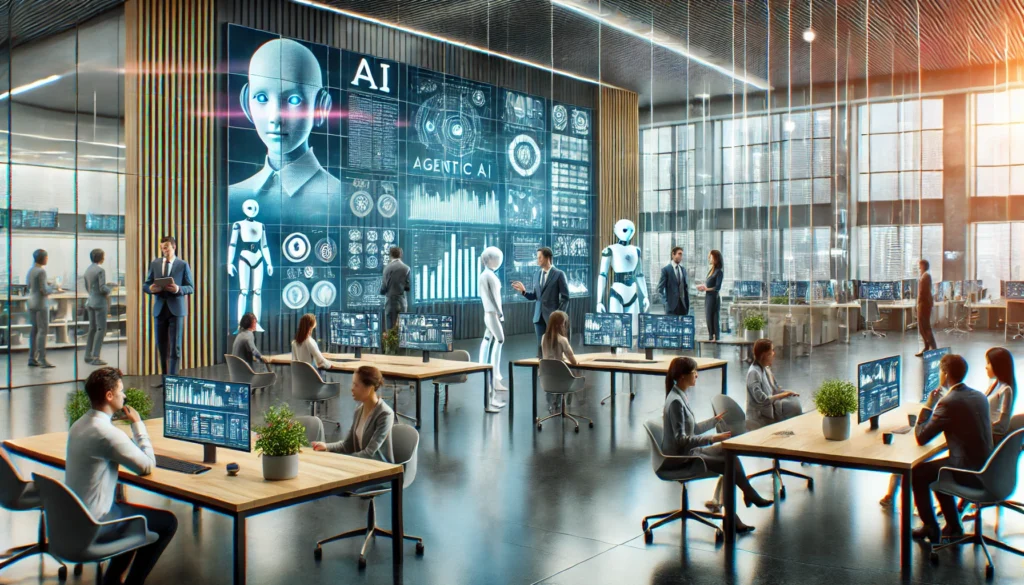
Models like Google Gemini are evolving into systems that don’t just answer questions — they take action. This is known as agentic AI.
Instead of manually searching step by step, users can delegate entire tasks: researching, comparing, deciding, and even executing actions.
This fundamentally changes how people interact with information — and reduces the need to browse multiple websites.
What to Expect from Google I/O 2026
While Google has not officially confirmed all announcements, industry trends and early signals point to several key developments.
Evolution of Google Gemini
One of the most anticipated updates is the evolution of Gemini. According to industry speculation, it may introduce more advanced agent-based capabilities (Agent-to-Agent interactions).
Reports suggest improvements in context handling, response speed, and persistent memory — allowing AI to retain user preferences across sessions, not just within a single interaction.
This would represent a major shift: Gemini would move from a reactive tool to a proactive system capable of anticipating needs and acting on behalf of users.
👉 What does this mean for businesses?
AI could become the main intermediary between users and your offer. In this scenario, ranking on Google is no longer enough — your business must become a trusted source that AI systems rely on.
AI-powered search
Google is expected to continue expanding AI-generated answers directly within search results.
This means users may increasingly get complete answers without clicking on external websites, reducing traditional organic traffic.
👉 What does this mean for businesses?
Success will no longer depend only on ranking — but on being included in the data that AI uses to generate responses.
“Agent-ready” web experiences
Another key trend is the evolution of websites toward structures that are easier for AI systems to interpret.
Google may reinforce the importance of clear architecture, structured data, and well-organized content.
👉 What does this mean for businesses?
Websites that are not optimized for this new standard risk losing visibility to those that are.
New interaction models (visual and contextual search)
Advances in visual search and contextual interfaces are also expected. Users may interact with the digital world in more intuitive ways, beyond traditional text queries.
This includes identifying products, comparing options, and receiving real-time recommendations based on what they see.
👉 What does this mean for businesses?
Visibility will extend beyond text. Optimizing images, products, and visual presence will become increasingly important.
What Does This Mean for SEO?
This is where the real concern begins for businesses.
If users receive answers directly from Google, the number of visits to websites may decrease. This changes the traditional SEO model.
However, SEO is not disappearing — it is evolving.
The goal is no longer just to rank on search engines, but to become a trusted source within AI-driven ecosystems.
Will Your Website Still Get Clicks?
The short answer: yes — but not all websites.
Pages with clear, useful, and well-structured content will continue to be relevant. They will serve as sources for AI-generated answers.
Those that are not optimized will gradually lose visibility — not because they are penalized, but because they are no longer needed in the new model.
What You Should Do Before May 19
You don’t need to wait for the event to take action. In fact, early adopters will have a clear advantage.
- Improve your website speed
- Create content that answers real user questions
- Build your digital authority
- Structure your information clearly
How Pixel Cap Helps
At Pixel Cap, we understand that SEO is entering a new phase.
It’s no longer just about keywords — it’s about building a digital presence that remains relevant even as search evolves.
We combine strategy, content, and technical optimization to ensure our clients stay visible in an AI-driven landscape.
Is your business ready for what’s coming?
At Pixel Cap, we help you adapt your digital strategy to stay visible and competitive in the age of AI.